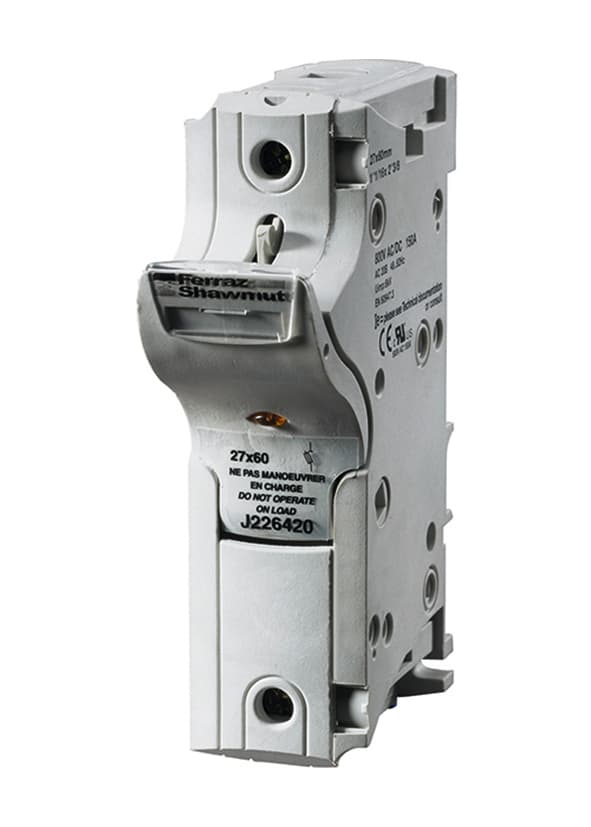
Fuses & Fuse Holders
General Guide & Overview
When it comes to electrical circuits, ensuring proper circuit protection is of utmost importance. One essential component in this regard is the use of fuses and fuse holders. These small yet crucial devices play a significant role in safeguarding electronics and electrical systems by breaking the circuit in the event of a current surge or short circuit.
While fuses and circuit breakers serve the same purpose, there is a vital distinction between the two. Circuit breakers can be reset after tripping, while fuses are meant for single-use and require replacement. Acting as a weak link, fuses are designed to be easily replaceable, minimizing downtime and ensuring continued functionality.
Choosing the right fuse for your specific device is vital. Factors such as current rating, speed rating, voltage drop, and energy released when blowing need to be taken into consideration. Additionally, fuse boxes, also known as control panels, are responsible for dividing incoming power into separate circuits. These boxes feature residual current devices (RCD) for instant disconnection of electrical circuits to prevent shock or injury.
There are various types of fuses and fuse holders available, ranging from glass cartridge fuses to blade fuses, which are commonly used in automotive applications. Fuse holders come in different form factors, such as 1, 2, and 3-pole holders. The correct selection of fuse and fuse holder ensures optimal circuit protection for industrial, commercial, and domestic applications.
In conclusion, fuses, and fuse holders are indispensable components for circuit protection. They provide a crucial line of defense against electrical hazards, preventing damage to circuits and potential fires. By carefully considering the specifications and requirements of your specific application, you can ensure the safety and reliability of your electrical systems.
The Importance of Fuses in Circuit Protection
Fuses are essential components in electrical circuits, serving a crucial function in safeguarding against excessive current flow and potential hazards. When there is an overload or short circuit, fuses work by breaking the circuit, preventing damage to the circuit's cabling and minimizing the risk of electrical fires.
Fuses are commonly used to protect a wide range of components and equipment, including transformers, motors, DC power supplies, lighting circuits, contactors, and relays. By interrupting the current flow, fuses ensure that these devices are protected from excessive current and potential damage.
When selecting a fuse, the current rating is an important factor to consider. It determines the maximum level of current that the fuse can safely handle before blowing. By choosing a fuse with the appropriate current rating, you can ensure effective circuit protection and prevent long-term damage.
The speed rating of a fuse is another crucial consideration. It determines how quickly the fuse will blow in response to excess current. More sensitive fuses with faster blow times provide safer protection by minimizing the duration of the overload.
Another aspect to take into account is the voltage drop across the fuse. Excessive voltage loss through cables can affect the proper functioning of low equipment. By choosing fuses with minimal voltage drop, you can maintain the integrity and performance of your electrical system.
Finally, the energy released when a fuse blows should be considered to avoid damage to devices and potential hazards. Different types of fuses have varying energy release characteristics, so selecting the appropriate fuse ensures a controlled and safe interruption of the circuit.
Overall, understanding how fuses work and their function in a circuit is crucial for effective circuit protection. By selecting the right fuses and fuse holders for your specific application, you can ensure the safe and reliable operation of your electrical system.
Types of Fuses and Fuse Holders
When it comes to circuit protection, there are various types of fuses and fuse holders available. Each type serves a specific purpose in ensuring the safety and reliability of electrical circuits. Let's take a closer look at some common types:
Glass Cartridge Fuses
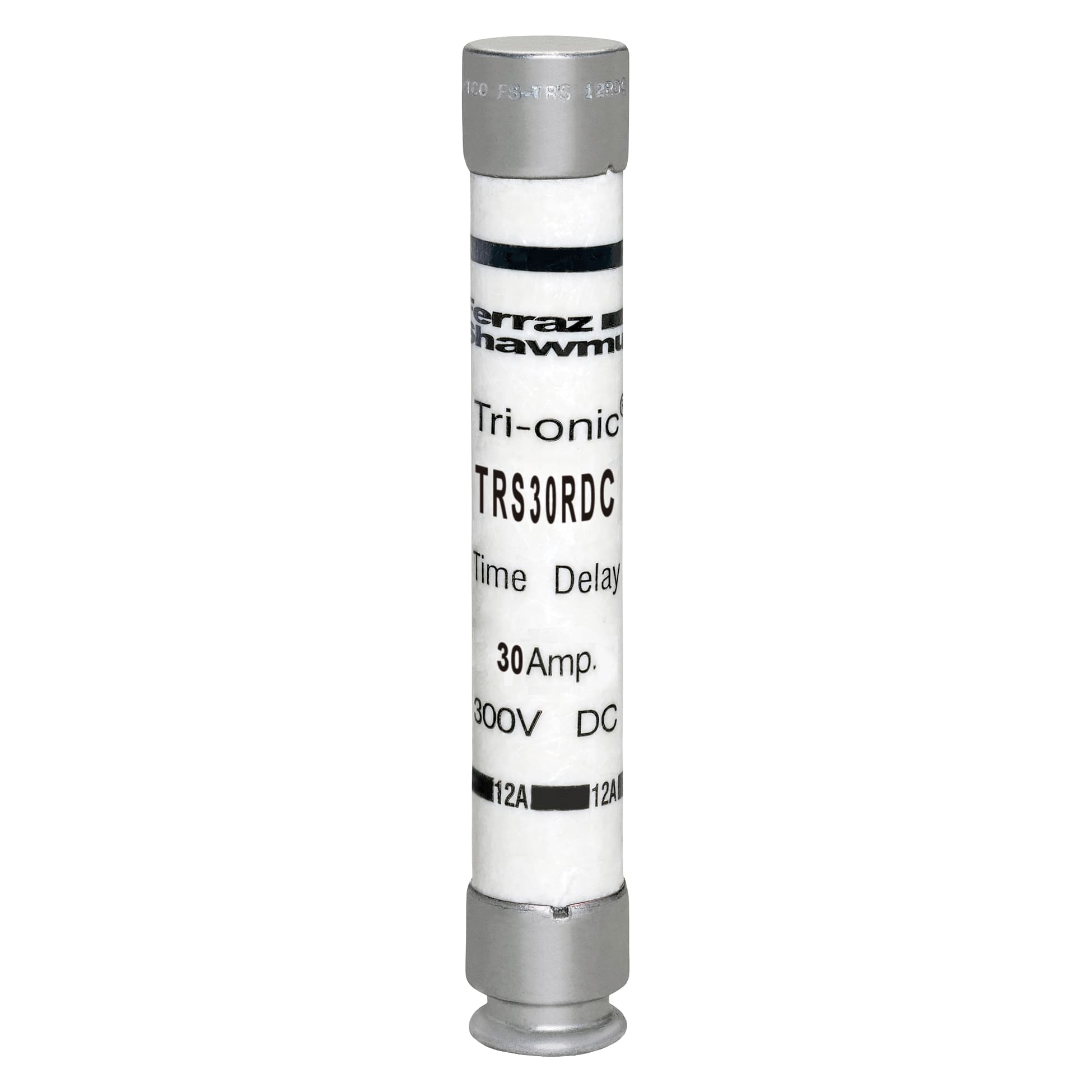
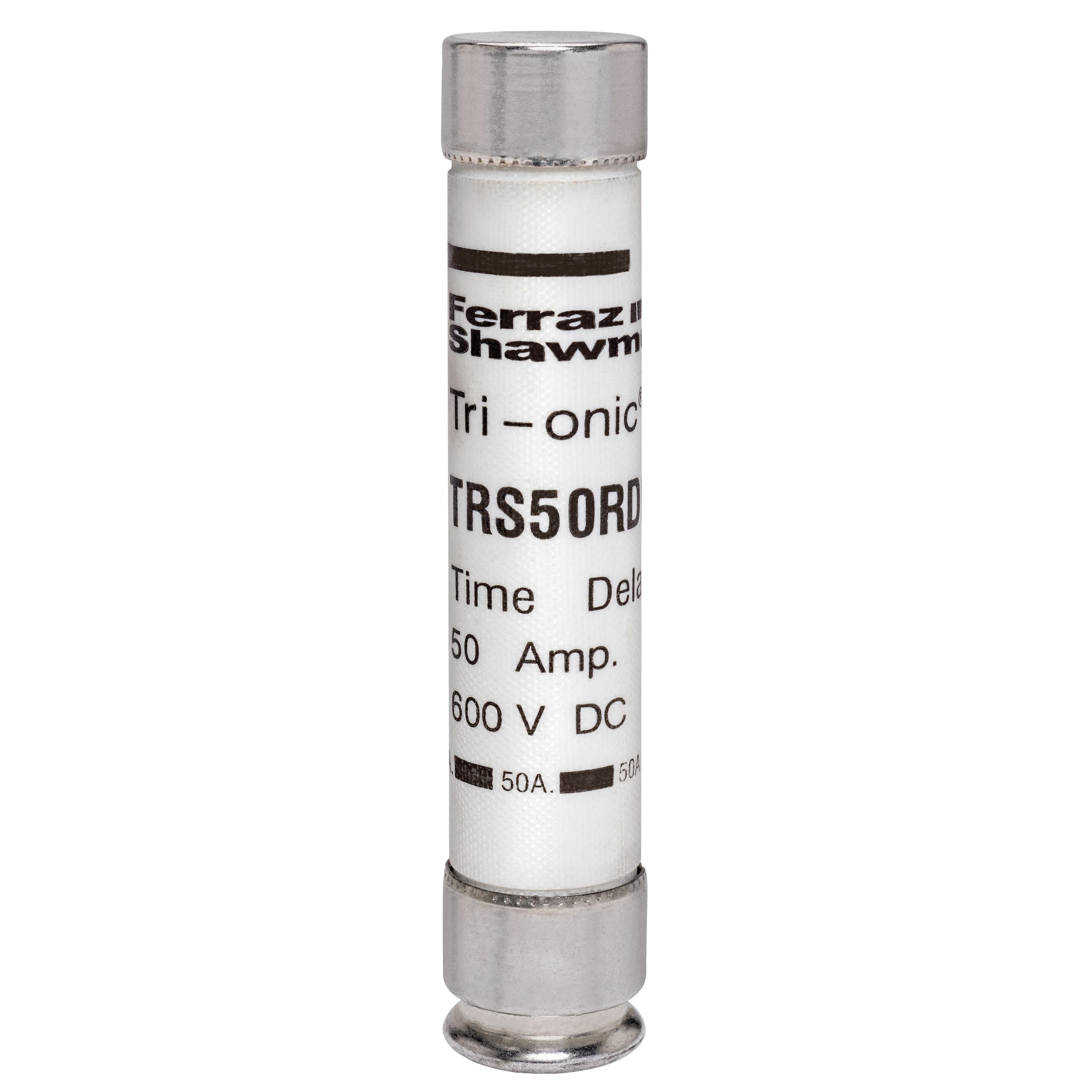
Glass cartridge fuses are the older style fuses that feature a glass body and metal end caps. These fuses are typically used in lower current applications, such as audio head units and accessories.
Blade Fuses
Blade fuses are the most commonly used type of fuses today and come in different variants. The standard blade fuse, also known as APR, ATC, or ATO fuses, is widely used in automotive applications. Mini blade fuses, also known as APM or ATM fuses, are smaller and increasingly popular. Micro blade fuses, also known as APS or ATT fuses, are even smaller and expected to see wider usage in the future. On the other hand, maxi blade fuses, also known as APX fuses, are designed for higher current applications.
Link Fuses
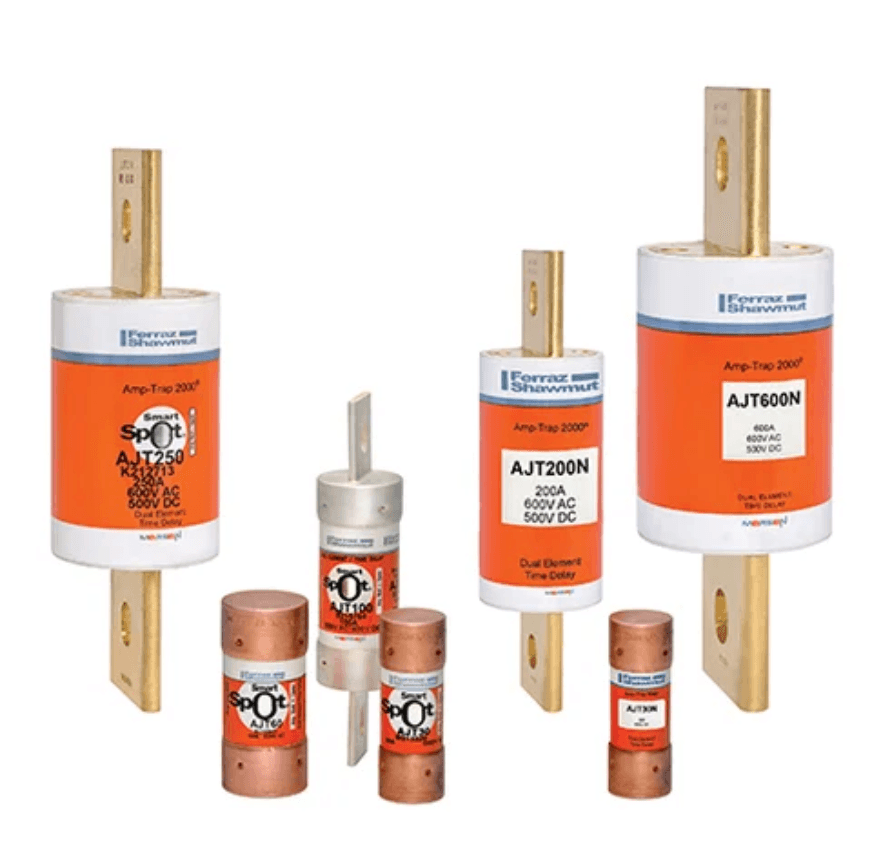
Link fuses, such as strip and midi link fuses, are specifically designed for high-power applications. They provide effective protection in circuits where significant current flow is expected.
Mega Link Fuses
Mega link fuses are designed for very high current applications, providing robust protection against excessive current flow. These fuses are commonly used in heavy machinery and industrial equipment.
Continental Fuses
Continental fuses are primarily found in older cars and classic restorations. They have specific characteristics and properties that make them suitable for use in these specific applications.
Fuse Holders
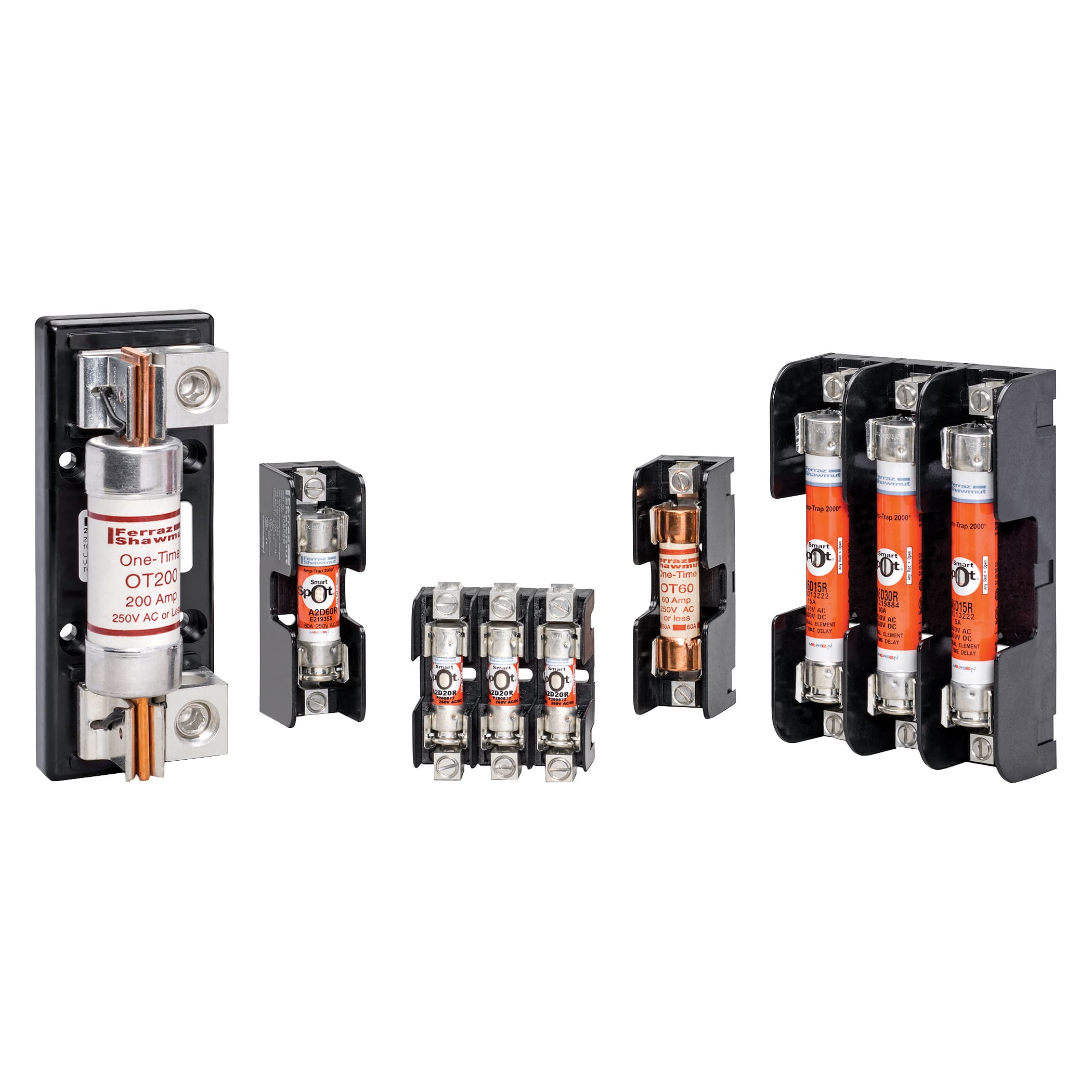
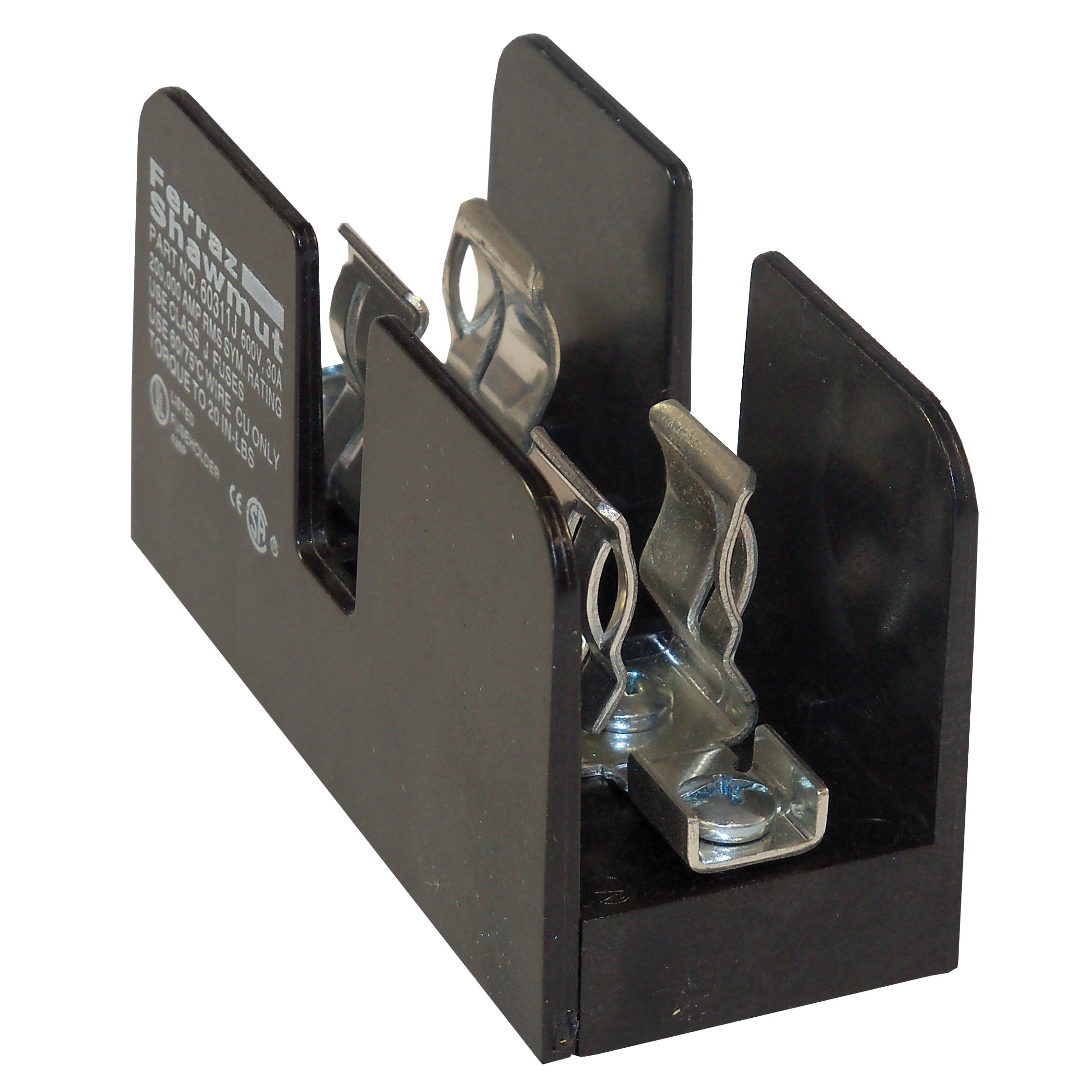
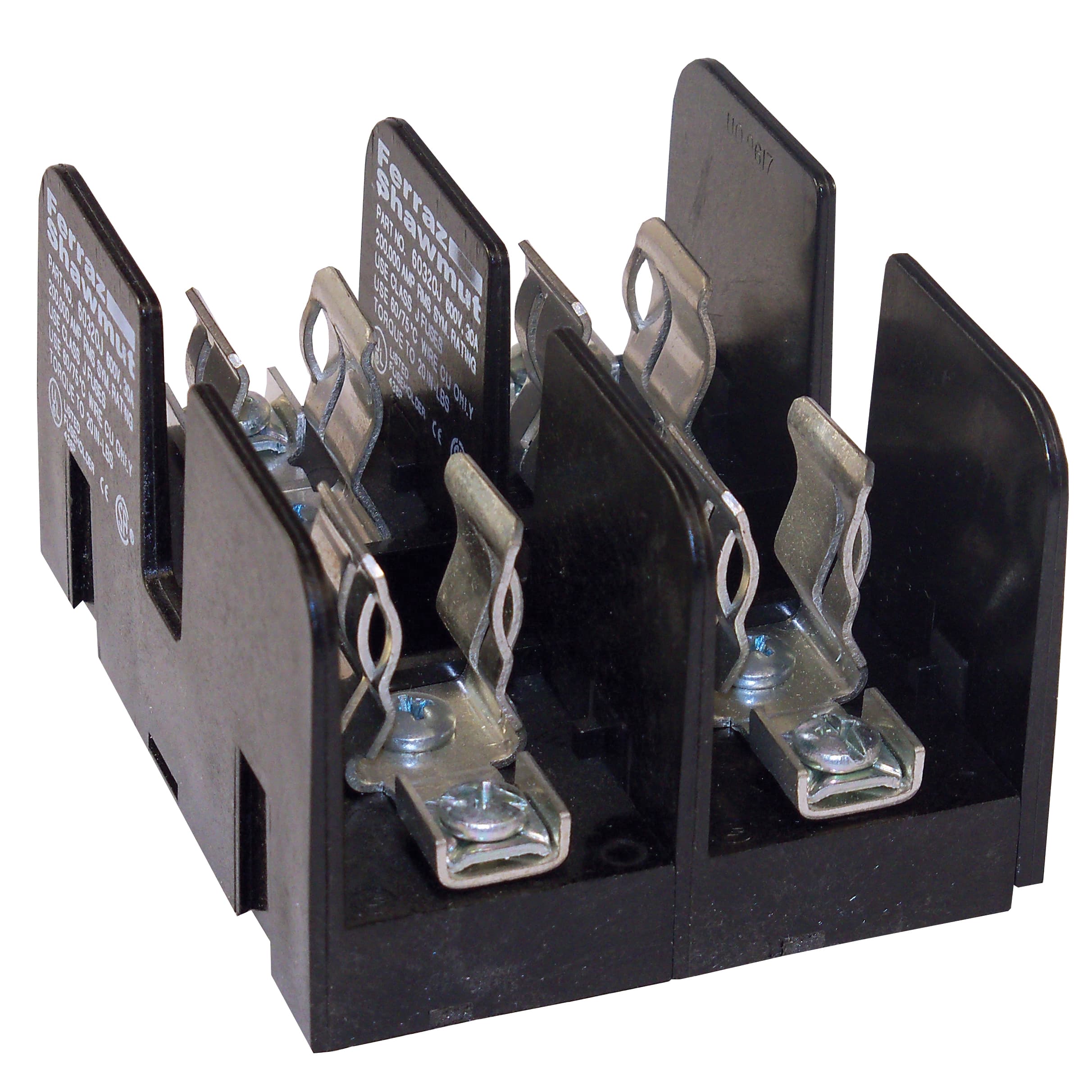
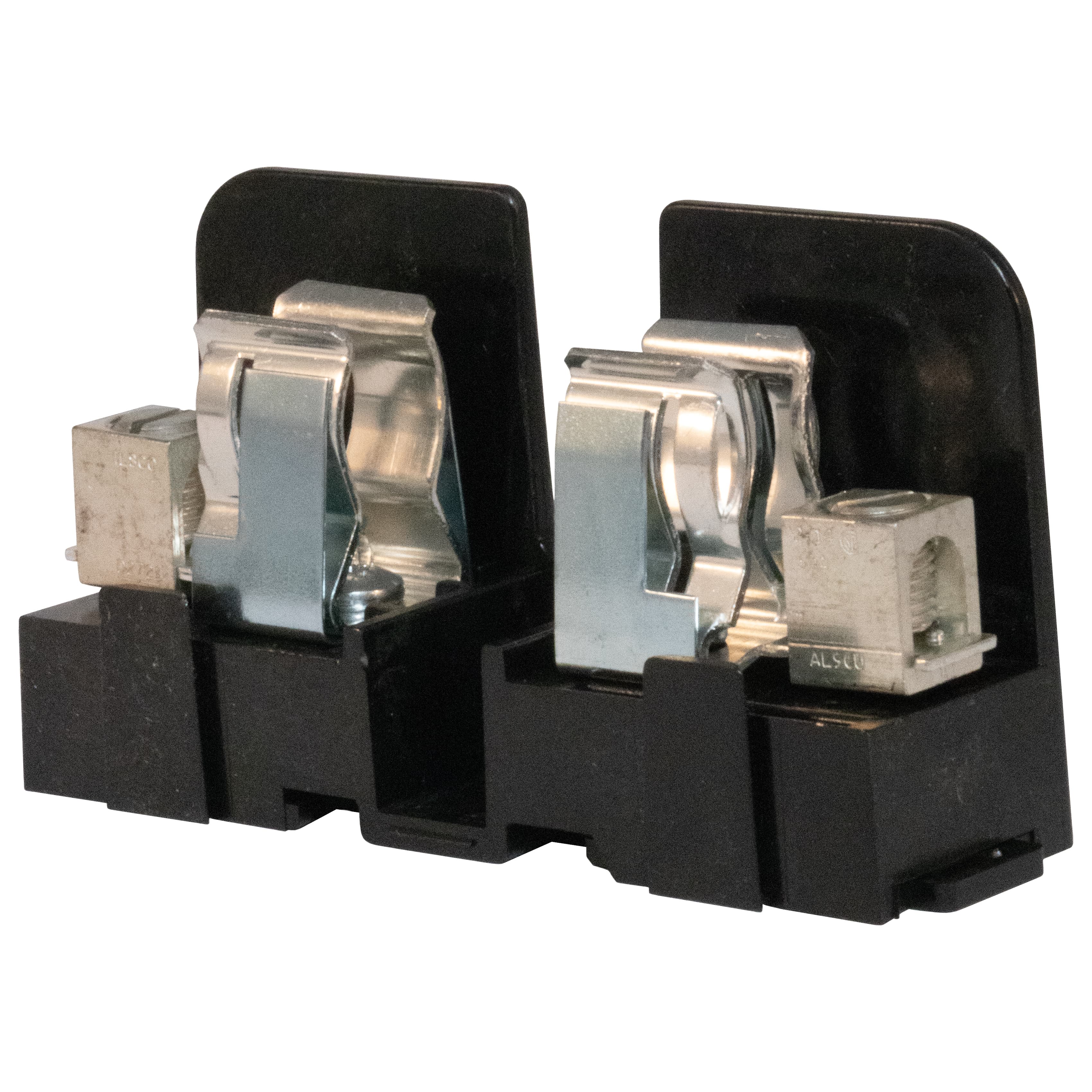
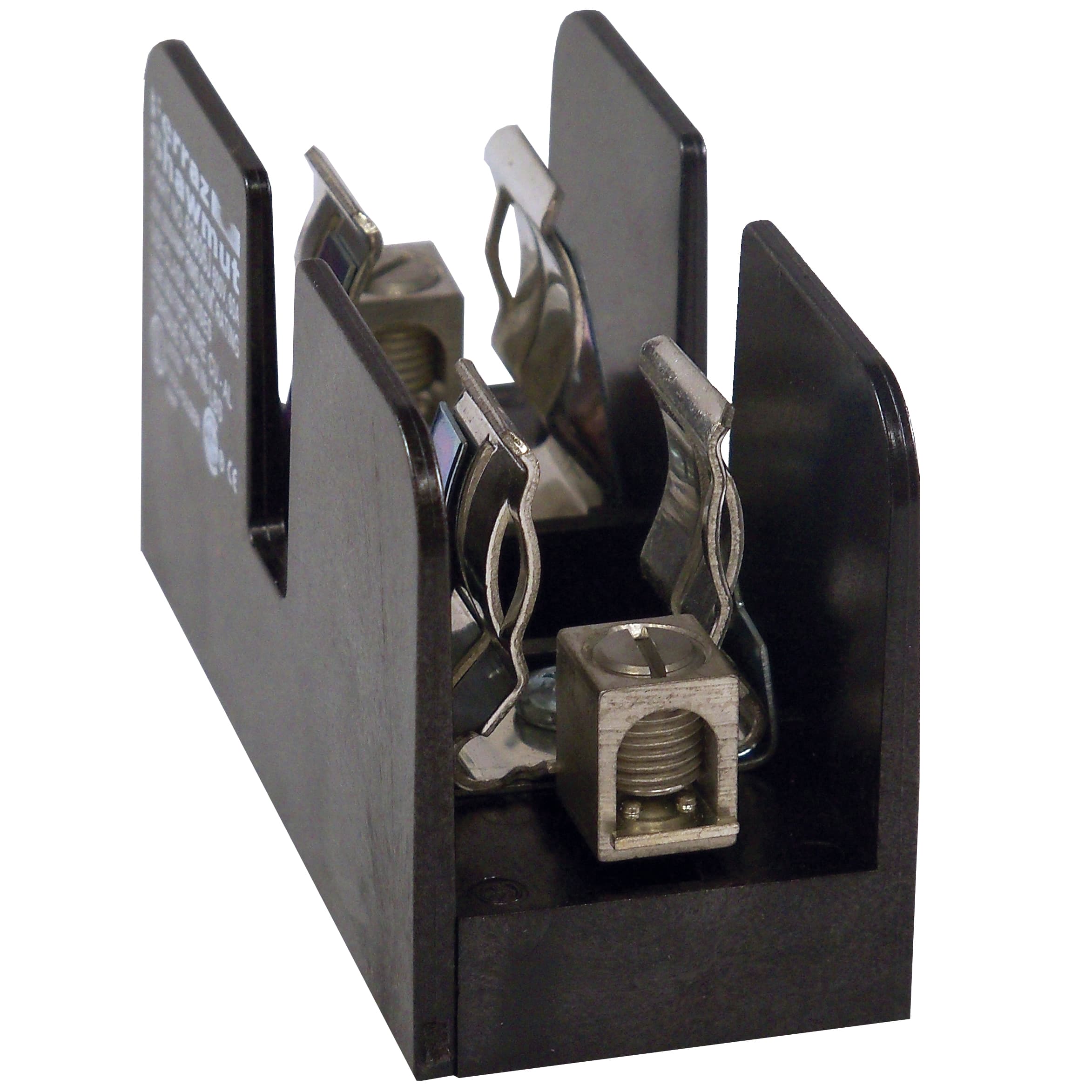
Alongside different types of fuses, fuse holders are also available in various form factors. These include 1, 2, and 3-pole holders, which accommodate different fuse sizes and configurations. Fuse holders provide a secure and convenient way to mount and replace fuses in electrical circuits.
Understanding the different types of fuses and fuse holders is essential for selecting the appropriate components for your specific circuit protection needs. The right combination of fuses and fuse holders ensures the reliable and safe operation of your electrical systems.
Fuses and fuse holders play a crucial role in circuit protection. By preventing excessive current from damaging electrical circuits and components, they serve as vital safeguards against potential hazards and electrical fires. When selecting fuses and fuse holders, it is imperative to choose the right type for your specific application, considering important factors such as current rating, speed rating, voltage drop, and energy released when blowing. This careful and informed fuse selection ensures optimal circuit protection and enhances overall system reliability.
Properly installed and maintained fuses and fuse holders not only protect valuable equipment but also provide peace of mind, knowing that your electrical circuits are adequately safeguarded. From glass cartridge fuses to blade fuses of various types, there is a wide range of options available to fit different applications and requirements. Additionally, fuse boxes and switch fuse units provide effective distribution and protection mechanisms, ensuring the smooth functioning of your electrical systems.
Whether you're working with industrial, commercial, or domestic electrical circuits, understanding the importance of fuses and fuse holders is essential. These humble yet powerful devices offer critical circuit protection and promote safe and efficient electrical operations. By incorporating the right fuses and fuse holders into your circuit design and maintenance plans, you can confidently mitigate risks, prevent costly downtime, and enhance the overall reliability of your electrical systems.
FAQ
The function of a fuse in a circuit is to break the circuit when there is excessive current flow, protecting the circuit's cabling from damage and potential electrical fires.
Fuses work by having a weak link that breaks when there is an excess of current. This interrupts the circuit and prevents further flow of electricity, protecting the components and wiring.
Fuses are used to protect various components and equipment, such as transformers, motors, lighting circuits, contactors, and relays, from excessive current and potential hazards.
When picking a fuse, factors such as current rating, speed rating, voltage drop, and energy released when blowing should be taken into account to ensure optimal circuit protection and system reliability.
There are various types of fuses and fuse holders available, including glass cartridge fuses, blade fuses (standard, mini, micro, and maxi), link fuses (strip, midi, and mega), and Continental fuses. Fuse holders come in multiple form factors, such as 1, 2, and 3-pole holders.